
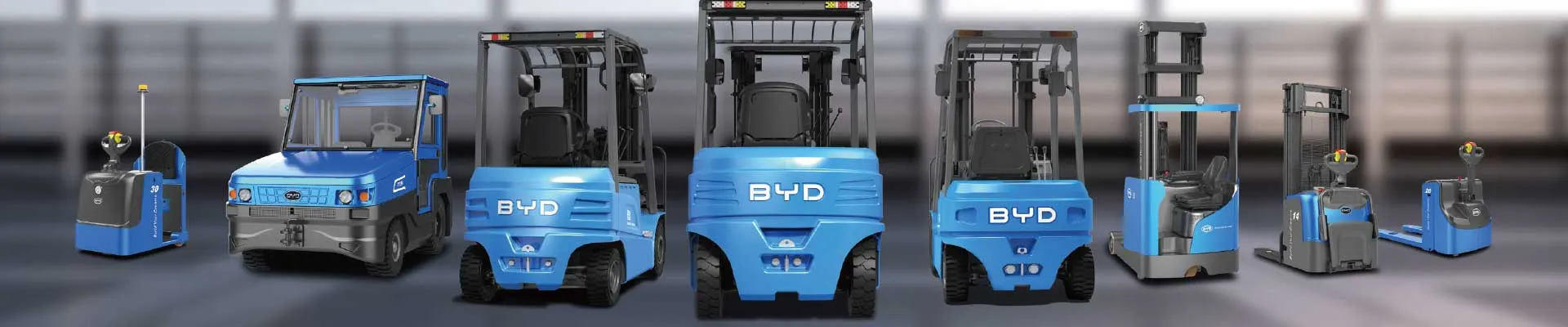
Compra inteligente de carretillas elevadoras eléctricas: errores a evitar

2026-09-22

La transición hacia la energía eléctrica en el sector de la manutención ha llegado para quedarse. Las carretillas elevadoras eléctricas, especialmente las equipadas con baterías de litio, están revolucionando la logística y el almacenamiento. Sin embargo, elegir la carretilla adecuada no es tarea sencilla. Muchos compradores cometen errores costosos que afectan la productividad y el retorno de inversión. En este artículo, exploramos los errores más comunes al comprar carretillas elevadoras eléctricas y cómo evitarlos, con especial atención a la tecnología de baterías de litio de BYD.
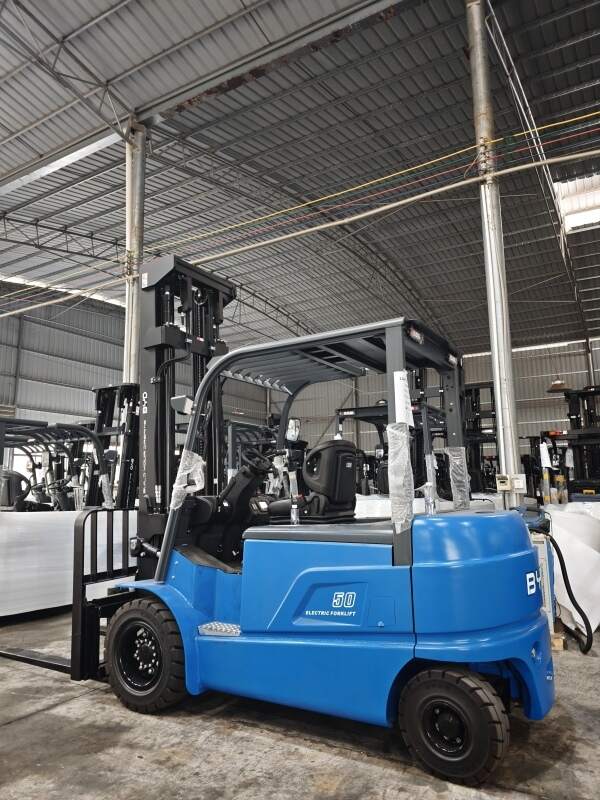
Compra inteligente de carretillas elevadoras eléctricas: errores a evitar(Figura1)

Error 1: No evaluar correctamente las necesidades operativas

Antes de comprar, es crucial analizar las tareas que realizará la carretilla. Ignorar esto puede llevar a adquirir un equipo inadecuado.

Capacidad de carga y altura de elevación

Determine el peso máximo de las cargas y la altura a la que debe elevarlas. Las carretillas eléctricas tienen capacidades que van desde 1.000 kg hasta más de 5.000 kg. Elegir una capacidad insuficiente provocará sobrecargas y riesgos; una capacidad excesiva incrementará innecesariamente el costo.

Turnos de trabajo y autonomía

¿Cuántas horas al día trabajará la carretilla? Las baterías de litio de BYD ofrecen autonomía para turnos completos y se recargan rápidamente, pero es vital calcular el consumo energético según el ciclo de trabajo.

Condiciones del entorno

Interior o exterior, pasillos estrechos, rampas, temperaturas extremas. Las carretillas eléctricas son ideales para interiores por sus cero emisiones, pero deben cumplir con requisitos de resistencia al polvo y humedad si se usan en exteriores.
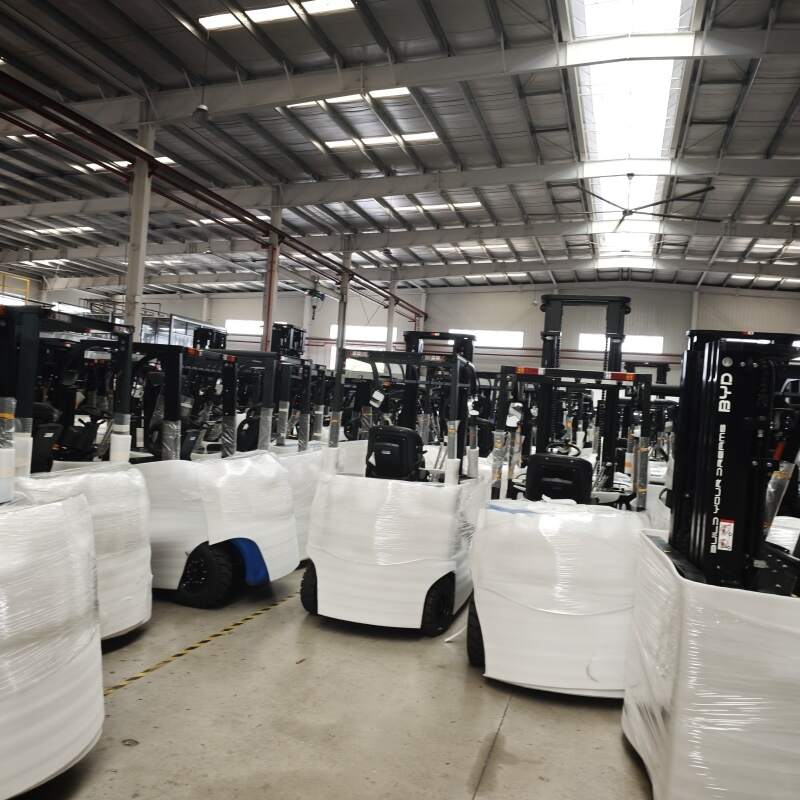
Compra inteligente de carretillas elevadoras eléctricas: errores a evitar(Figura2)

Error 2: Ignorar el costo total de propiedad (TCO)

El precio de compra es solo la punta del iceberg. El TCO incluye mantenimiento, energía, baterías, reparaciones y valor de reventa. Comparar solo precios iniciales es un error grave.

Comparativa de TCO: Plomo-ácido vs. Litio

AspectoBatería de plomo-ácidoBatería de litio BYD
Vida útil (ciclos)1.500 ciclos4.000+ ciclos
MantenimientoRequiere agua, limpieza, equalizaciónLibre de mantenimiento
Tiempo de carga8-10 horas1-2 horas (oportunidad)
Eficiencia energética70-80%95%+
Costo total a 5 añosAltoHasta 30% menor

Las baterías de litio de BYD reducen significativamente el TCO gracias a su mayor vida útil, eficiencia y ausencia de mantenimiento. Además, permiten oportunidades de carga sin afectar su vida útil.
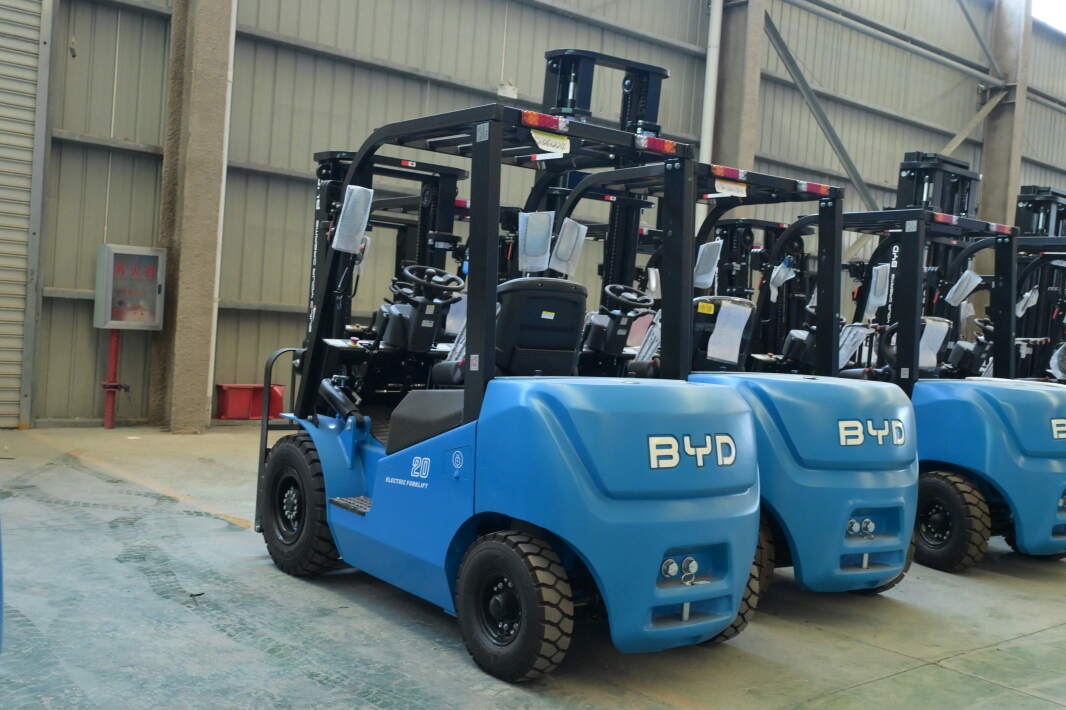
Compra inteligente de carretillas elevadoras eléctricas: errores a evitar(Figura3)

Error 3: Subestimar la importancia de la batería y el sistema de carga

La batería es el corazón de una carretilla eléctrica. Muchos compradores no consideran la tecnología de batería y el sistema de carga, lo que impacta en la operación diaria.

Tecnología de batería: Litio vs. Plomo-ácido

Las baterías de plomo-ácido requieren cuartos de carga ventilados, tiempo de enfriamiento y mantenimiento regular. En contraste, las baterías de litio hierro fosfato (LFP) de BYD son más seguras, duraderas y se pueden cargar en cualquier momento (carga de oportunidad) sin dañarlas.

Ventajas de la carga de oportunidad

Con BYD, los operadores pueden cargar durante las pausas (almuerzo, descansos) sin necesidad de cambiar baterías. Esto elimina la necesidad de baterías de repuesto y reduce el espacio de almacenamiento.

Error 4: No considerar la infraestructura de carga y el espacio

Las carretillas de plomo-ácido exigen una sala de carga con ventilación, sistema de extracción de gases y equipos de seguridad. Esto representa una inversión adicional considerable.

Las carretillas eléctricas con baterías de litio de BYD no requieren infraestructura especial. Se pueden cargar en cualquier enchufe industrial, ahorrando espacio y costos de instalación. Esto es especialmente valioso en almacenes urbanos donde el espacio es limitado.

Error 5: Descuidar la ergonomía y seguridad del operador

La productividad depende en gran medida del confort del operador. Carretillas mal diseñadas causan fatiga, errores y accidentes.

Factores ergonómicos clave

  • Asiento ajustable y suspensión.
  • Controles intuitivos y pantallas claras.
  • Buena visibilidad del mástil y horquillas.
  • Bajos niveles de vibración y ruido.

Las carretillas BYD están diseñadas pensando en el operador, con cabinas amplias, controles precisos y sistemas de seguridad avanzados.

Error 6: No investigar el soporte posventa y la disponibilidad de repuestos

Una carretilla parada es una pérdida de dinero. Es fundamental elegir un fabricante con una red de servicio sólida y repuestos disponibles.

BYD cuenta con una red global de distribuidores y centros de servicio, garantizando asistencia técnica rápida y repuestos originales. Además, la fiabilidad de las carretillas BYD reduce las paradas no planificadas.

Error 7: Pasar por alto la normativa y certificaciones

Las carretillas deben cumplir con normativas de seguridad (por ejemplo, EN 1175, ISO 3691) y emisiones. En muchos países, las carretillas eléctricas son obligatorias en interiores por razones de calidad del aire.

Las carretillas BYD cumplen con las certificaciones internacionales más exigentes, incluyendo CE, UL y otras, asegurando su legalidad y seguridad en cualquier entorno.

Error 8: No planificar la escalabilidad y el futuro

Las necesidades logísticas cambian. Comprar una carretilla que no pueda adaptarse a futuras expansiones es un error. Considere la posibilidad de ampliar la flota o actualizar la tecnología.

Las carretillas eléctricas de BYD son modulares y escalables. Además, la tecnología de litio está preparada para el futuro, con integración en sistemas de gestión de flotas y automatización.

Conclusión: Cómo evitar estos errores

Para una compra inteligente de carretillas elevadoras eléctricas, evite estos errores:

  • Realice un análisis exhaustivo de sus necesidades operativas.
  • Calcule el TCO, no solo el precio de compra.
  • Priorice la tecnología de batería y el sistema de carga.
  • Evalúe la infraestructura necesaria.
  • Considere la ergonomía y seguridad.
  • Verifique el soporte posventa y los repuestos.
  • Asegure el cumplimiento normativo.
  • Planifique la escalabilidad.

Al elegir carretillas eléctricas con baterías de litio de BYD, invierte en eficiencia, sostenibilidad y rentabilidad a largo plazo. Nuestro equipo de expertos puede asesorarle para seleccionar la solución ideal para su operación.

Para más información o para solicitar una cotización, contáctenos en info@bydfork.com.

We use cookie to improve your online experience. By continuing to browse this website, you agree to our use of cookie.

Cookies

Please read our Terms and Conditions and this Policy before accessing or using our Services. If you cannot agree with this Policy or the Terms and Conditions, please do not access or use our Services. If you are located in a jurisdiction outside the European Economic Area, by using our Services, you accept the Terms and Conditions and accept our privacy practices described in this Policy.
We may modify this Policy at any time, without prior notice, and changes may apply to any Personal Information we already hold about you, as well as any new Personal Information collected after the Policy is modified. If we make changes, we will notify you by revising the date at the top of this Policy. We will provide you with advanced notice if we make any material changes to how we collect, use or disclose your Personal Information that impact your rights under this Policy. If you are located in a jurisdiction other than the European Economic Area, the United Kingdom or Switzerland (collectively “European Countries”), your continued access or use of our Services after receiving the notice of changes, constitutes your acknowledgement that you accept the updated Policy. In addition, we may provide you with real time disclosures or additional information about the Personal Information handling practices of specific parts of our Services. Such notices may supplement this Policy or provide you with additional choices about how we process your Personal Information.


Cookies

Cookies are small text files stored on your device when you access most Websites on the internet or open certain emails. Among other things, Cookies allow a Website to recognize your device and remember if you've been to the Website before. Examples of information collected by Cookies include your browser type and the address of the Website from which you arrived at our Website as well as IP address and clickstream behavior (that is the pages you view and the links you click).We use the term cookie to refer to Cookies and technologies that perform a similar function to Cookies (e.g., tags, pixels, web beacons, etc.). Cookies can be read by the originating Website on each subsequent visit and by any other Website that recognizes the cookie. The Website uses Cookies in order to make the Website easier to use, to support a better user experience, including the provision of information and functionality to you, as well as to provide us with information about how the Website is used so that we can make sure it is as up to date, relevant, and error free as we can. Cookies on the Website We use Cookies to personalize your experience when you visit the Site, uniquely identify your computer for security purposes, and enable us and our third-party service providers to serve ads on our behalf across the internet.

We classify Cookies in the following categories:
 ●  Strictly Necessary Cookies
 ●  Performance Cookies
 ●  Functional Cookies
 ●  Targeting Cookies


Cookie List
A cookie is a small piece of data (text file) that a website – when visited by a user – asks your browser to store on your device in order to remember information about you, such as your language preference or login information. Those cookies are set by us and called first-party cookies. We also use third-party cookies – which are cookies from a domain different than the domain of the website you are visiting – for our advertising and marketing efforts. More specifically, we use cookies and other tracking technologies for the following purposes:

Strictly Necessary Cookies
These cookies are necessary for the website to function and cannot be switched off in our systems. They are usually only set in response to actions made by you which amount to a request for services, such as setting your privacy preferences, logging in or filling in forms. You can set your browser to block or alert you about these cookies, but some parts of the site will not then work. These cookies do not store any personally identifiable information.

Functional Cookies
These cookies enable the website to provide enhanced functionality and personalisation. They may be set by us or by third party providers whose services we have added to our pages. If you do not allow these cookies then some or all of these services may not function properly.

Performance Cookies
These cookies allow us to count visits and traffic sources so we can measure and improve the performance of our site. They help us to know which pages are the most and least popular and see how visitors move around the site. All information these cookies collect is aggregated and therefore anonymous. If you do not allow these cookies we will not know when you have visited our site, and will not be able to monitor its performance.

Targeting Cookies
These cookies may be set through our site by our advertising partners. They may be used by those companies to build a profile of your interests and show you relevant adverts on other sites. They do not store directly personal information, but are based on uniquely identifying your browser and internet device. If you do not allow these cookies, you will experience less targeted advertising.

How To Turn Off Cookies
You can choose to restrict or block Cookies through your browser settings at any time. Please note that certain Cookies may be set as soon as you visit the Website, but you can remove them using your browser settings. However, please be aware that restricting or blocking Cookies set on the Website may impact the functionality or performance of the Website or prevent you from using certain services provided through the Website. It will also affect our ability to update the Website to cater for user preferences and improve performance. Cookies within Mobile Applications

We only use Strictly Necessary Cookies on our mobile applications. These Cookies are critical to the functionality of our applications, so if you block or delete these Cookies you may not be able to use the application. These Cookies are not shared with any other application on your mobile device. We never use the Cookies from the mobile application to store personal information about you.

If you have questions or concerns regarding any information in this Privacy Policy, please contact us by email at . You can also contact us via our customer service at our Site.