
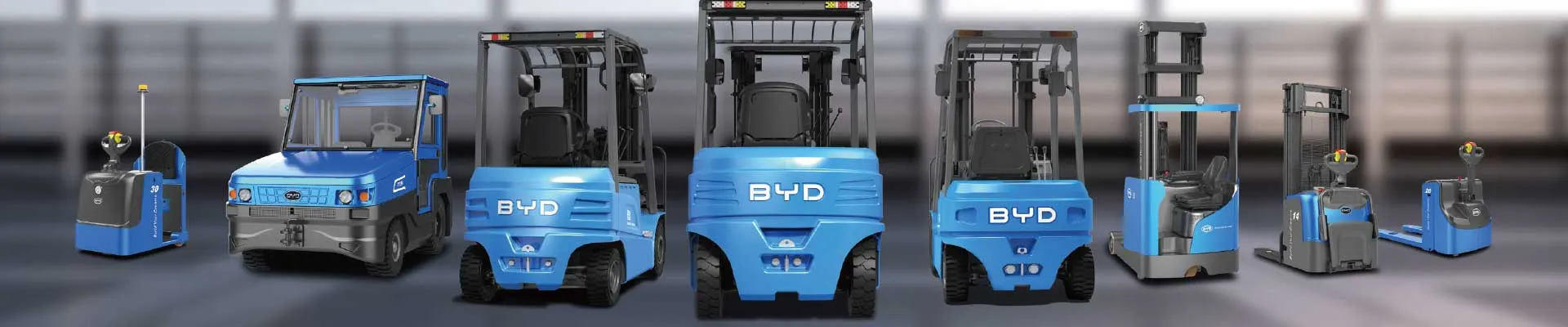
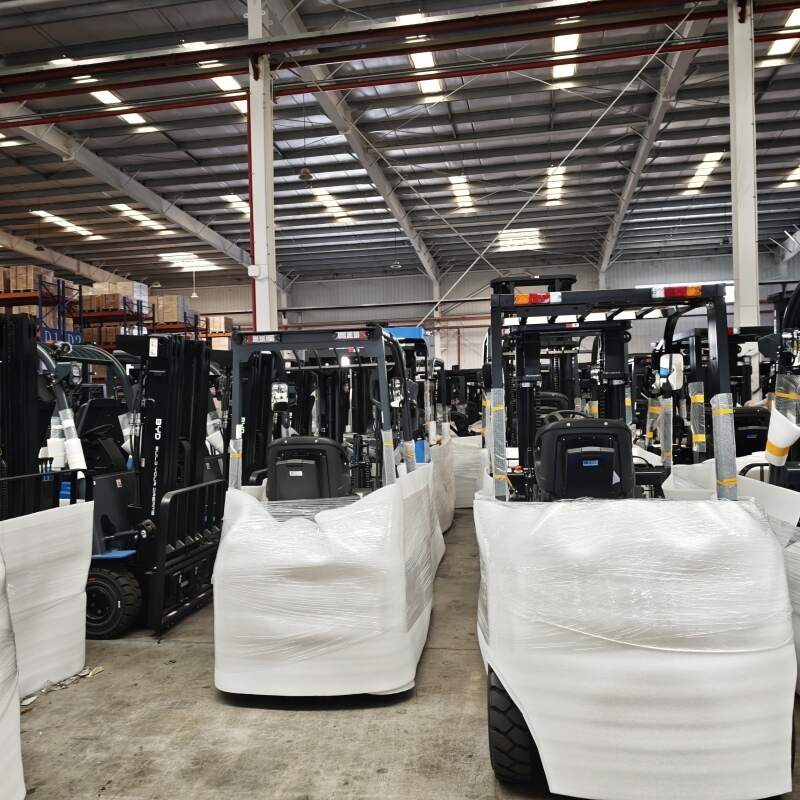
Normas de seguridad para carretillas elevadoras eléctricas

2026-09-08

Normas de seguridad para carretillas elevadoras eléctricas(Figura1)

Paso 1: Formación y certificación del operador

La base de la seguridad con carretillas elevadoras eléctricas comienza con un operador bien formado. En España, la normativa exige que todo operador de carretillas elevadoras posea una formación específica y un certificado que acredite su capacidad para manejar estos equipos de forma segura.

Requisitos clave de la formación

  • Formación teórica sobre los principios de funcionamiento de la carretilla elevadora eléctrica.
  • Prácticas supervisadas en un entorno controlado.
  • Evaluación tanto teórica como práctica para obtener el certificado.

Consejo: Renueva la formación periódicamente, al menos cada 3 años, y siempre que se introduzca un nuevo modelo de carretilla, como las de la serie BYD con batería de litio.

Advertencia: Un operador sin la formación adecuada es un riesgo grave para sí mismo y para los compañeros de trabajo.
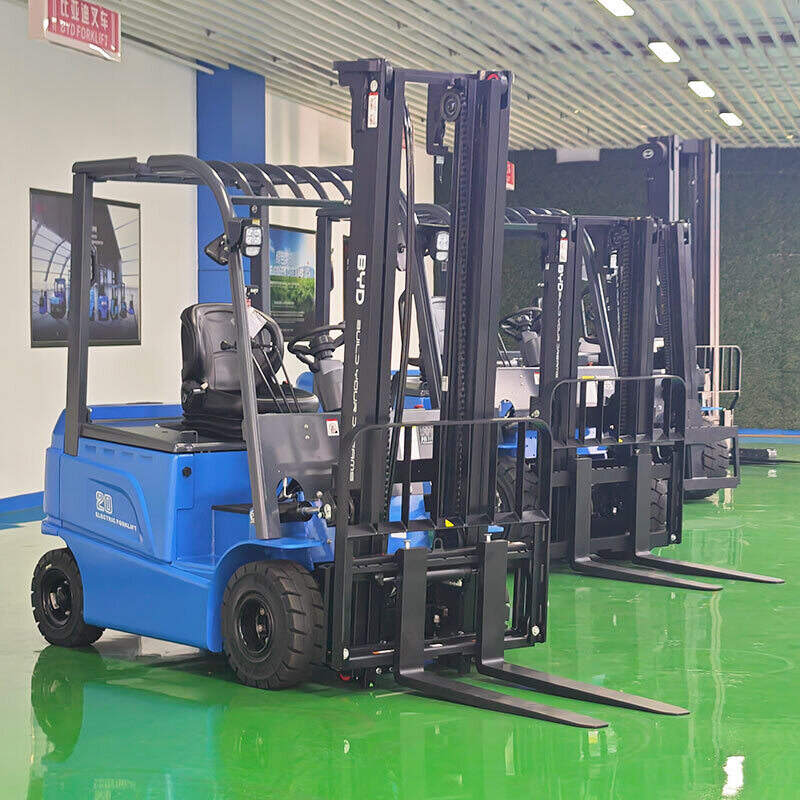
Normas de seguridad para carretillas elevadoras eléctricas(Figura2)

Paso 2: Inspección preoperacional diaria

Antes de comenzar cualquier tarea, el operador debe realizar una inspección visual y funcional de la carretilla. Esta comprobación diaria permite detectar posibles fallos mecánicos o eléctricos que puedan causar accidentes.

Elementos a revisar

  • Neumáticos: desgaste, presión (si procede) y daños.
  • Frenos de servicio y de estacionamiento.
  • Dirección y sistema hidráulico.
  • Luces, claxon y señales acústicas.
  • Nivel de carga de la batería de litio.
  • Funcionamiento de la elevación y la inclinación de la horquilla.

Consejo: Utiliza una lista de comprobación impresa o digital. Si se detecta cualquier anomalía, la carretilla debe ponerse fuera de servicio inmediatamente.

Advertencia: Nunca intentes operar una carretilla que no haya pasado la inspección o que muestre algún fallo evidente.
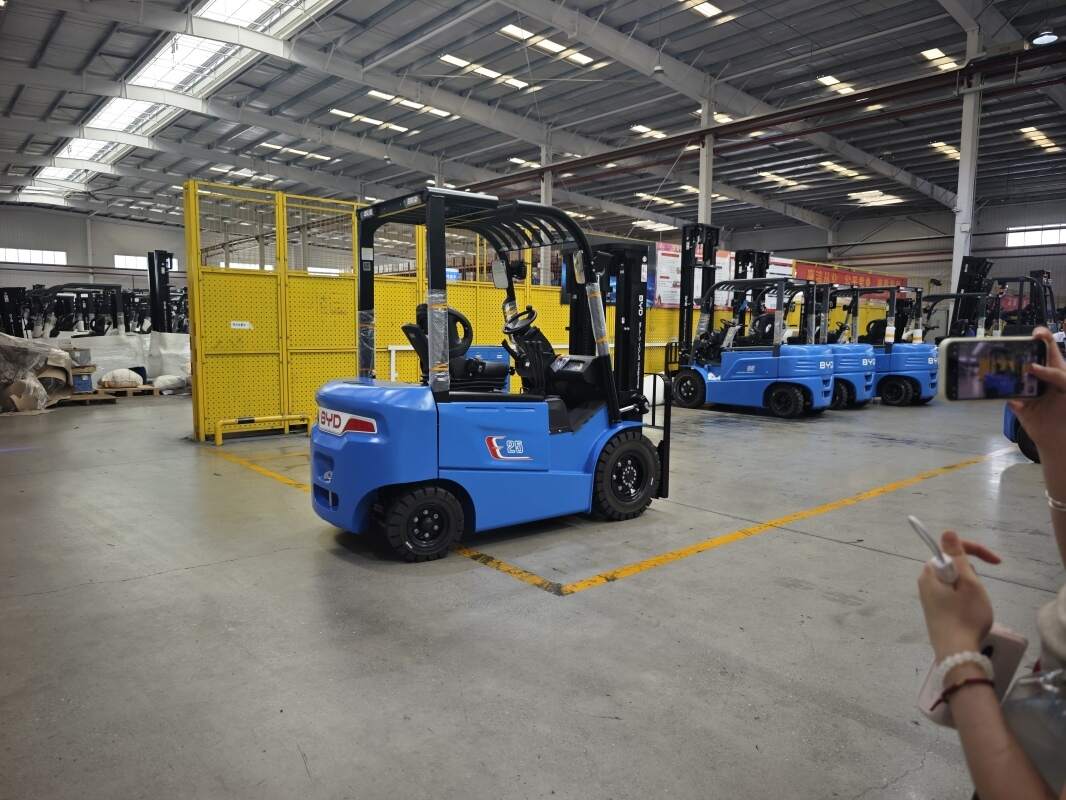
Normas de seguridad para carretillas elevadoras eléctricas(Figura3)

Paso 3: Normas de carga y mantenimiento de baterías de litio

Las carretillas eléctricas BYD utilizan baterías de fosfato de hierro-litio (LiFePO4), que ofrecen ventajas como una carga rápida y una mayor vida útil. Sin embargo, requieren un manejo y cuidado específicos.

Manejo seguro de la batería

  • La carga debe realizarse en una zona bien ventilada y lejos de materiales inflamables.
  • Siempre usa el cargador proporcionado por el fabricante.
  • No cubras la batería durante la carga.
  • Sigue las instrucciones de temperatura y tiempo de carga indicadas en el manual.
  • Ante cualquier olor extraño, humo o calor excesivo, desconecta la batería y avisa al personal de mantenimiento.

Consejo: Aprovecha la tecnología de carga rápida de BYD en los descansos para asegurar que la carretilla tenga suficiente autonomía sin necesidad de reemplazar la batería.

Advertencia: No manipules los componentes internos de la batería de litio. Si se daña, podría provocar un incendio o fuga de productos químicos.

Paso 4: Operación segura en el entorno de trabajo

La conducción y el uso de la carretilla en el almacén o fábrica deben seguir unas normas básicas de seguridad para proteger a las personas y las mercancías.

Reglas esenciales durante la operación

  • Respeta los límites de velocidad y la señalización interna.
  • Usa siempre el cinturón de seguridad si el modelo lo incluye.
  • Mantén la carga baja al circular (a unos 15 cm del suelo) para mejorar la estabilidad.
  • Comprueba la altura de los pasillos y puertas para evitar colisiones.
  • Cede el paso a los peatones y usa el claxon en cruces sin visibilidad.
  • No transportes pasajeros en la carretilla.
  • Estaciona la carretilla en lugares designados y siempre con las horquillas bajadas.

Consejo: Planifica las rutas de desplazamiento para minimizar las maniobras en zonas congestionadas.

Advertencia: La carga máxima indicada en el fabricante no debe sobrepasarse jamás, ya que afecta a la estabilidad y al frenado.

Paso 5: Mantenimiento preventivo y revisiones periódicas

Un mantenimiento regular es vital para prolongar la vida útil de la carretilla y para garantizar que todos los mecanismos funcionen correctamente. Las carretillas BYD tienen sistemas electrónicos que a menudo requieren intervención técnica especializada.

Pautas de mantenimiento

  • Establece un calendario de mantenimiento según las indicaciones del fabricante.
  • Contrata técnicos certificados para inspecciones de componentes eléctricos y de batería.
  • Limpia la carretilla regularmente para evitar acumulación de polvo o residuos.
  • Revisa y lubrica las partes móviles según el manual.
  • Lleva un registro de todas las revisiones y reparaciones.

Consejo: Utiliza repuestos originales BYD para garantizar la compatibilidad y seguridad.

Advertencia: No intentes reparar sistemas eléctricos de alto voltaje si no estás cualificado. Siempre desconecta la carretilla antes de realizar cualquier operación de limpieza o mantenimiento.

Conclusión: La seguridad como ventaja competitiva

Cumplir con las normas de seguridad para carretillas elevadoras eléctricas no solo evita accidentes y sanciones, sino que también mejora la productividad y el ambiente laboral. Invertir en la formación del operador y en el mantenimiento adecuado, como el que ofrecen las carretillas BYD con batería de litio, es una decisión inteligente para cualquier empresa.

Recuerda: la seguridad no es un gasto, sino una inversión en tu equipo y en la continuidad de tu negocio.

We use cookie to improve your online experience. By continuing to browse this website, you agree to our use of cookie.

Cookies

Please read our Terms and Conditions and this Policy before accessing or using our Services. If you cannot agree with this Policy or the Terms and Conditions, please do not access or use our Services. If you are located in a jurisdiction outside the European Economic Area, by using our Services, you accept the Terms and Conditions and accept our privacy practices described in this Policy.
We may modify this Policy at any time, without prior notice, and changes may apply to any Personal Information we already hold about you, as well as any new Personal Information collected after the Policy is modified. If we make changes, we will notify you by revising the date at the top of this Policy. We will provide you with advanced notice if we make any material changes to how we collect, use or disclose your Personal Information that impact your rights under this Policy. If you are located in a jurisdiction other than the European Economic Area, the United Kingdom or Switzerland (collectively “European Countries”), your continued access or use of our Services after receiving the notice of changes, constitutes your acknowledgement that you accept the updated Policy. In addition, we may provide you with real time disclosures or additional information about the Personal Information handling practices of specific parts of our Services. Such notices may supplement this Policy or provide you with additional choices about how we process your Personal Information.


Cookies

Cookies are small text files stored on your device when you access most Websites on the internet or open certain emails. Among other things, Cookies allow a Website to recognize your device and remember if you've been to the Website before. Examples of information collected by Cookies include your browser type and the address of the Website from which you arrived at our Website as well as IP address and clickstream behavior (that is the pages you view and the links you click).We use the term cookie to refer to Cookies and technologies that perform a similar function to Cookies (e.g., tags, pixels, web beacons, etc.). Cookies can be read by the originating Website on each subsequent visit and by any other Website that recognizes the cookie. The Website uses Cookies in order to make the Website easier to use, to support a better user experience, including the provision of information and functionality to you, as well as to provide us with information about how the Website is used so that we can make sure it is as up to date, relevant, and error free as we can. Cookies on the Website We use Cookies to personalize your experience when you visit the Site, uniquely identify your computer for security purposes, and enable us and our third-party service providers to serve ads on our behalf across the internet.

We classify Cookies in the following categories:
 ●  Strictly Necessary Cookies
 ●  Performance Cookies
 ●  Functional Cookies
 ●  Targeting Cookies


Cookie List
A cookie is a small piece of data (text file) that a website – when visited by a user – asks your browser to store on your device in order to remember information about you, such as your language preference or login information. Those cookies are set by us and called first-party cookies. We also use third-party cookies – which are cookies from a domain different than the domain of the website you are visiting – for our advertising and marketing efforts. More specifically, we use cookies and other tracking technologies for the following purposes:

Strictly Necessary Cookies
These cookies are necessary for the website to function and cannot be switched off in our systems. They are usually only set in response to actions made by you which amount to a request for services, such as setting your privacy preferences, logging in or filling in forms. You can set your browser to block or alert you about these cookies, but some parts of the site will not then work. These cookies do not store any personally identifiable information.

Functional Cookies
These cookies enable the website to provide enhanced functionality and personalisation. They may be set by us or by third party providers whose services we have added to our pages. If you do not allow these cookies then some or all of these services may not function properly.

Performance Cookies
These cookies allow us to count visits and traffic sources so we can measure and improve the performance of our site. They help us to know which pages are the most and least popular and see how visitors move around the site. All information these cookies collect is aggregated and therefore anonymous. If you do not allow these cookies we will not know when you have visited our site, and will not be able to monitor its performance.

Targeting Cookies
These cookies may be set through our site by our advertising partners. They may be used by those companies to build a profile of your interests and show you relevant adverts on other sites. They do not store directly personal information, but are based on uniquely identifying your browser and internet device. If you do not allow these cookies, you will experience less targeted advertising.

How To Turn Off Cookies
You can choose to restrict or block Cookies through your browser settings at any time. Please note that certain Cookies may be set as soon as you visit the Website, but you can remove them using your browser settings. However, please be aware that restricting or blocking Cookies set on the Website may impact the functionality or performance of the Website or prevent you from using certain services provided through the Website. It will also affect our ability to update the Website to cater for user preferences and improve performance. Cookies within Mobile Applications

We only use Strictly Necessary Cookies on our mobile applications. These Cookies are critical to the functionality of our applications, so if you block or delete these Cookies you may not be able to use the application. These Cookies are not shared with any other application on your mobile device. We never use the Cookies from the mobile application to store personal information about you.

If you have questions or concerns regarding any information in this Privacy Policy, please contact us by email at . You can also contact us via our customer service at our Site.