
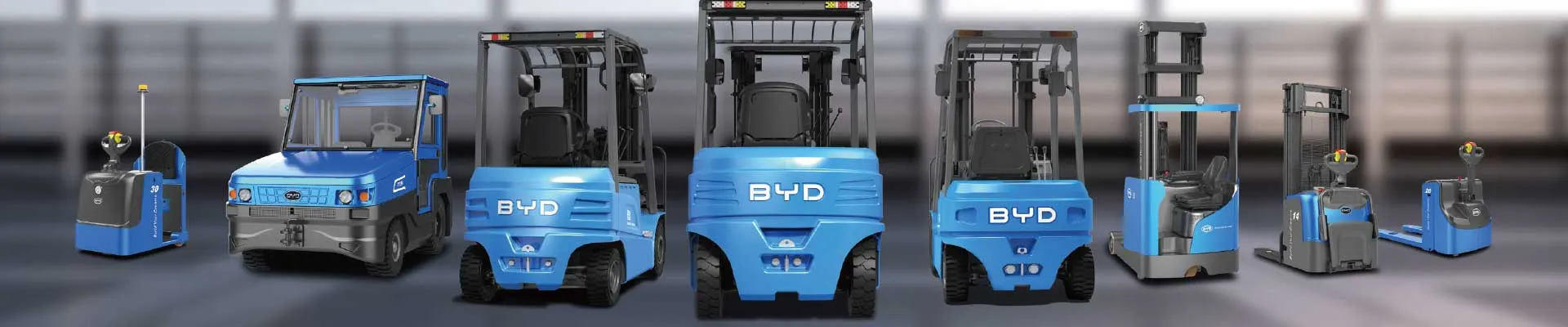
Compra segura: autoelevador eléctrico de 2.5 toneladas en Argentina

2026-09-17

Comprar un autoelevador eléctrico de 2.5 toneladas en Argentina es una decisión estratégica para optimizar tus operaciones logísticas y reducir costos. Sin embargo, el mercado ofrece múltiples opciones y es crucial tomar decisiones informadas para garantizar una compra segura y duradera. En esta guía paso a paso, te explicamos cómo elegir el equipo adecuado, verificar su calidad y asegurar el mejor respaldo técnico. Sigue estos consejos y advertencias para evitar errores costosos.
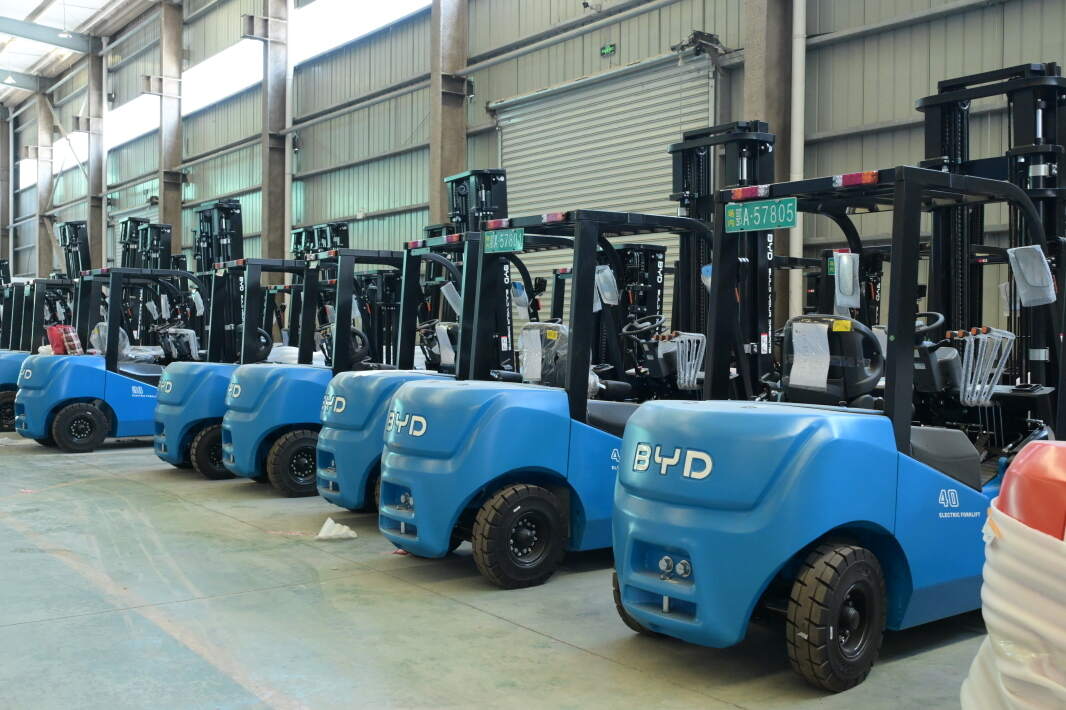
Compra segura: autoelevador eléctrico de 2.5 toneladas en Argentina(Figura1)

Paso 1: Define tus necesidades operativas

Antes de buscar precios, analiza tus requerimientos específicos. Pregúntate: ¿qué tipo de carga transportarás? ¿Cuál es el peso máximo? ¿En qué condiciones trabajará (interiores, exteriores, pasillos estrechos)? ¿Cuántas horas diarias operará? Un autoelevador de 2.5 toneladas es ideal para almacenes, centros de distribución y fábricas con cargas medianas. Si necesitas mayor capacidad, considera modelos superiores.

  • Consejo: Realiza un estudio de tiempos y movimientos para determinar la capacidad real necesaria. Considera un margen de seguridad del 10-20%.
  • Advertencia: No subestimes la importancia de la altura de elevación y las dimensiones de los pasillos. Un equipo demasiado grande puede no maniobrar en espacios reducidos.
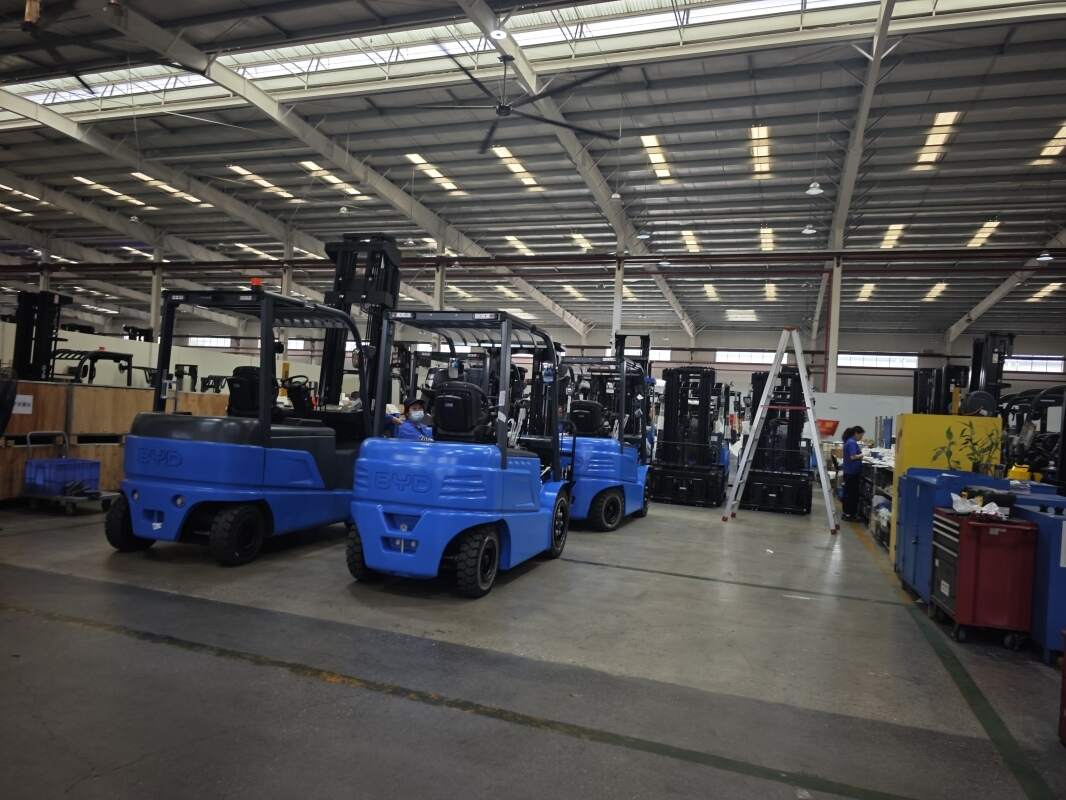
Compra segura: autoelevador eléctrico de 2.5 toneladas en Argentina(Figura2)

Paso 2: Verifica la normativa y certificaciones en Argentina

En Argentina, los autoelevadores deben cumplir con estrictas normas de seguridad. La Resolución 960/2015 de la Superintendencia de Riesgos del Trabajo (SRT) establece los requisitos para la operación segura de equipos de izaje. Además, es recomendable que cuenten con certificación IRAM o CE. Exige al proveedor la documentación técnica: certificado de homologación, declaración de conformidad y manual de seguridad en español.

  • Consejo: Verifica que el equipo tenga luces, alarma de retroceso, cinturón de seguridad y extintor.
  • Advertencia: Operar un autoelevador sin certificación puede generar multas, clausuras y anular cualquier seguro ante accidentes.
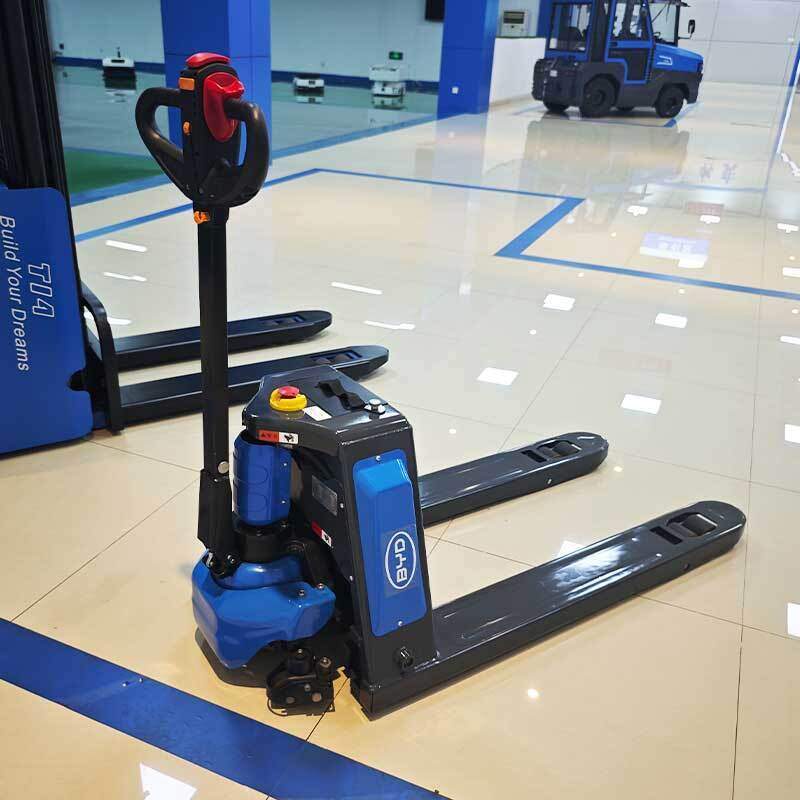
Compra segura: autoelevador eléctrico de 2.5 toneladas en Argentina(Figura3)

Paso 3: Evalúa la tecnología de batería de litio

Los autoelevadores eléctricos modernos utilizan baterías de litio, que superan ampliamente a las tradicionales de plomo-ácido. La marca BYD es líder mundial en baterías de litio hierro fosfato (LiFePO4), ofreciendo mayor vida útil, carga rápida y cero mantenimiento. Estas baterías no emiten gases, no requieren áreas de carga especiales y pueden cargarse en horarios de descanso (carga de oportunidad).

CaracterísticaBatería de plomo-ácidoBatería de litio BYD
Vida útil (ciclos)1,5004,000+
Tiempo de carga8-10 horas1-2 horas
MantenimientoRequiere agua y limpiezaLibre de mantenimiento
Eficiencia energética~70%~95%
EmisionesGases durante cargaCero emisiones
  • Consejo: Calcula el ahorro energético: una batería de litio consume hasta un 30% menos de electricidad.
  • Advertencia: No todas las baterías de litio son iguales. Verifica que sean de grado industrial y con sistema de gestión térmica (BMS).

Paso 4: Solicita cotizaciones y compara proveedores

Pide al menos tres cotizaciones detalladas. Cada propuesta debe incluir: precio del autoelevador, batería, cargador, garantía, servicio técnico, repuestos, capacitación y tiempos de entrega. Verifica si el proveedor es distribuidor oficial de BYD en Argentina y si cuenta con talleres y repuestos en el país.

  • Consejo: Solicita el costo total de propiedad (TCO) a 5 años, incluyendo energía, mantenimiento y repuestos.
  • Advertencia: Desconfía de ofertas muy por debajo del mercado; pueden indicar equipos sin garantía, baterías de baja calidad o falta de soporte.

Paso 5: Inspecciona el equipo y verifica el estado

Si compras un equipo nuevo, revisa que no tenga daños y que todos los componentes funcionen correctamente. Si es usado, contrata a un mecánico especializado para evaluar el motor, sistema hidráulico, frenos y estado de la batería. Solicita el historial de mantenimiento y verifica el estado de salud (SoH) de la batería con un diagnóstico profesional.

  • Consejo: Realiza una prueba de carga y descarga para comprobar la autonomía real. Una batería de litio en buen estado debe mantener al menos el 80% de su capacidad después de 2,000 ciclos.
  • Advertencia: Una batería de litio degradada puede costar más que el propio autoelevador. No aceptes un SoH inferior al 70%.

Paso 6: Negocia el precio, garantía y servicio postventa

No aceptes la primera oferta. Negocia el precio, pero también las condiciones de garantía: mínimo 2 años para el equipo y 5 años para la batería. Exige un contrato de servicio de mantenimiento preventivo y correctivo, con tiempos de respuesta garantizados. Asegúrate de que haya disponibilidad de repuestos en Argentina.

  • Consejo: Incluye una cláusula de capacitación para operadores y una auditoría de seguridad inicial.
  • Advertencia: Sin un buen servicio postventa, una falla puede paralizar tu operación por semanas, generando pérdidas significativas.

Paso 7: Asegura el transporte y la puesta en marcha

Coordina el transporte hasta tu planta con una empresa especializada. Verifica que el equipo llegue con el embalaje adecuado y que la puesta en marcha sea realizada por un técnico certificado. Realiza una inspección final antes de firmar la conformidad de recepción.

  • Consejo: Contrata un seguro de transporte para cubrir cualquier daño durante el traslado.
  • Advertencia: No pongas en marcha el equipo sin antes leer el manual y recibir la capacitación adecuada. Una instalación incorrecta puede anular la garantía.

Paso 8: Capacita a los operadores y planifica el mantenimiento

La seguridad es primordial. Capacita a tus operadores en el uso correcto del autoelevador eléctrico, incluyendo procedimientos de carga de batería, normas de seguridad y conducción defensiva. Establece un plan de mantenimiento preventivo según las recomendaciones del fabricante y lleva un registro de horas de uso.

  • Consejo: Programa revisiones periódicas cada 250 horas de trabajo o cada 3 meses.
  • Advertencia: Operar sin capacitación puede causar accidentes graves, dañar el equipo y anular la garantía.

Comprar un autoelevador eléctrico de 2.5 toneladas en Argentina es una inversión importante que, si se realiza correctamente, se traducirá en años de servicio eficiente y seguro. En BYD, ofrecemos autoelevadores eléctricos con batería de litio de última generación, respaldados por nuestra red de servicio técnico y repuestos originales. Contáctanos para recibir asesoramiento personalizado y una cotización sin compromiso.

Email: info@bydfork.com

We use cookie to improve your online experience. By continuing to browse this website, you agree to our use of cookie.

Cookies

Please read our Terms and Conditions and this Policy before accessing or using our Services. If you cannot agree with this Policy or the Terms and Conditions, please do not access or use our Services. If you are located in a jurisdiction outside the European Economic Area, by using our Services, you accept the Terms and Conditions and accept our privacy practices described in this Policy.
We may modify this Policy at any time, without prior notice, and changes may apply to any Personal Information we already hold about you, as well as any new Personal Information collected after the Policy is modified. If we make changes, we will notify you by revising the date at the top of this Policy. We will provide you with advanced notice if we make any material changes to how we collect, use or disclose your Personal Information that impact your rights under this Policy. If you are located in a jurisdiction other than the European Economic Area, the United Kingdom or Switzerland (collectively “European Countries”), your continued access or use of our Services after receiving the notice of changes, constitutes your acknowledgement that you accept the updated Policy. In addition, we may provide you with real time disclosures or additional information about the Personal Information handling practices of specific parts of our Services. Such notices may supplement this Policy or provide you with additional choices about how we process your Personal Information.


Cookies

Cookies are small text files stored on your device when you access most Websites on the internet or open certain emails. Among other things, Cookies allow a Website to recognize your device and remember if you've been to the Website before. Examples of information collected by Cookies include your browser type and the address of the Website from which you arrived at our Website as well as IP address and clickstream behavior (that is the pages you view and the links you click).We use the term cookie to refer to Cookies and technologies that perform a similar function to Cookies (e.g., tags, pixels, web beacons, etc.). Cookies can be read by the originating Website on each subsequent visit and by any other Website that recognizes the cookie. The Website uses Cookies in order to make the Website easier to use, to support a better user experience, including the provision of information and functionality to you, as well as to provide us with information about how the Website is used so that we can make sure it is as up to date, relevant, and error free as we can. Cookies on the Website We use Cookies to personalize your experience when you visit the Site, uniquely identify your computer for security purposes, and enable us and our third-party service providers to serve ads on our behalf across the internet.

We classify Cookies in the following categories:
 ●  Strictly Necessary Cookies
 ●  Performance Cookies
 ●  Functional Cookies
 ●  Targeting Cookies


Cookie List
A cookie is a small piece of data (text file) that a website – when visited by a user – asks your browser to store on your device in order to remember information about you, such as your language preference or login information. Those cookies are set by us and called first-party cookies. We also use third-party cookies – which are cookies from a domain different than the domain of the website you are visiting – for our advertising and marketing efforts. More specifically, we use cookies and other tracking technologies for the following purposes:

Strictly Necessary Cookies
These cookies are necessary for the website to function and cannot be switched off in our systems. They are usually only set in response to actions made by you which amount to a request for services, such as setting your privacy preferences, logging in or filling in forms. You can set your browser to block or alert you about these cookies, but some parts of the site will not then work. These cookies do not store any personally identifiable information.

Functional Cookies
These cookies enable the website to provide enhanced functionality and personalisation. They may be set by us or by third party providers whose services we have added to our pages. If you do not allow these cookies then some or all of these services may not function properly.

Performance Cookies
These cookies allow us to count visits and traffic sources so we can measure and improve the performance of our site. They help us to know which pages are the most and least popular and see how visitors move around the site. All information these cookies collect is aggregated and therefore anonymous. If you do not allow these cookies we will not know when you have visited our site, and will not be able to monitor its performance.

Targeting Cookies
These cookies may be set through our site by our advertising partners. They may be used by those companies to build a profile of your interests and show you relevant adverts on other sites. They do not store directly personal information, but are based on uniquely identifying your browser and internet device. If you do not allow these cookies, you will experience less targeted advertising.

How To Turn Off Cookies
You can choose to restrict or block Cookies through your browser settings at any time. Please note that certain Cookies may be set as soon as you visit the Website, but you can remove them using your browser settings. However, please be aware that restricting or blocking Cookies set on the Website may impact the functionality or performance of the Website or prevent you from using certain services provided through the Website. It will also affect our ability to update the Website to cater for user preferences and improve performance. Cookies within Mobile Applications

We only use Strictly Necessary Cookies on our mobile applications. These Cookies are critical to the functionality of our applications, so if you block or delete these Cookies you may not be able to use the application. These Cookies are not shared with any other application on your mobile device. We never use the Cookies from the mobile application to store personal information about you.

If you have questions or concerns regarding any information in this Privacy Policy, please contact us by email at . You can also contact us via our customer service at our Site.