
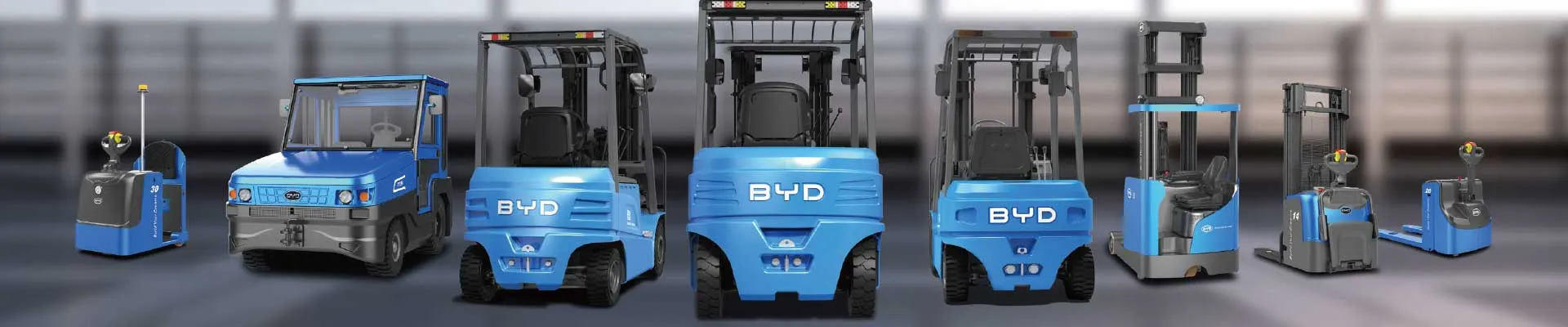
TCO de carretillas elevadoras eléctricas: inversión inicial vs ahorro en España

2026-09-12

El coste total de propiedad (TCO) es mucho más que el precio de compra. Para las empresas que operan carretillas elevadoras en España, entender el TCO es esencial para tomar decisiones rentables. En este tutorial, te guiamos paso a paso para que compares la inversión inicial de una carretilla eléctrica con los ahorros que genera a lo largo de su vida útil, especialmente con la tecnología de baterías de litio de BYD.
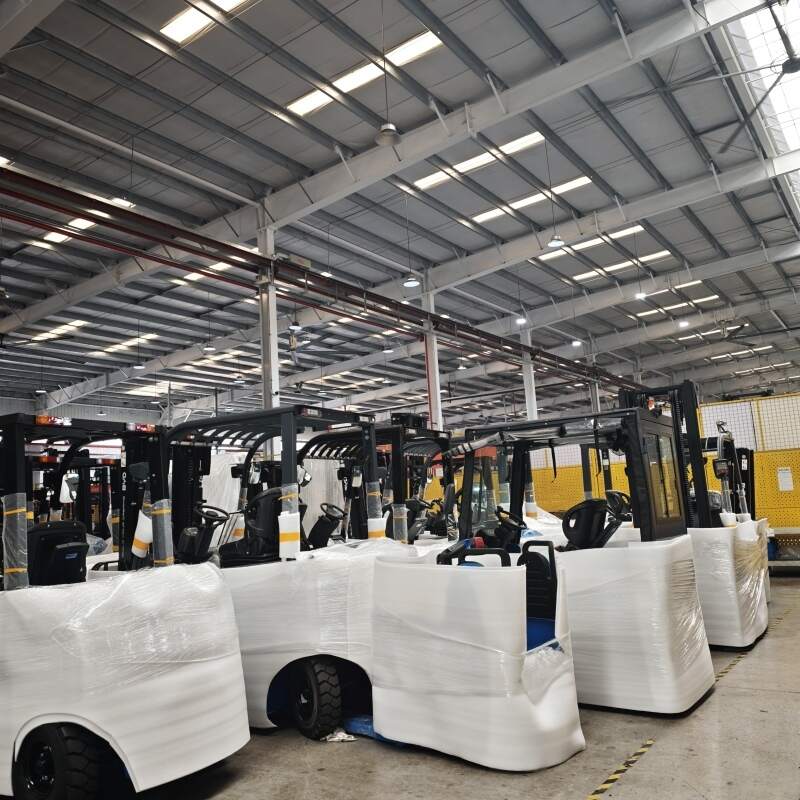
TCO de carretillas elevadoras eléctricas: inversión inicial vs ahorro en España(Figura1)

Paso 1: Define qué es el TCO y sus componentes

El TCO incluye todos los costes asociados a la propiedad y operación de una carretilla elevadora durante su vida útil. Los componentes principales son:

  • Inversión inicial: precio de compra, batería, cargador e instalación.
  • Costes energéticos: electricidad, diésel, gas licuado o GLP.
  • Mantenimiento y reparaciones: revisiones, piezas, mano de obra.
  • Seguros, impuestos y tasas: según la comunidad autónoma.
  • Valor residual: precio de reventa al final de la vida útil.

Consejo: Utiliza una hoja de cálculo para volcar todos los datos y actualizarlos periódicamente.
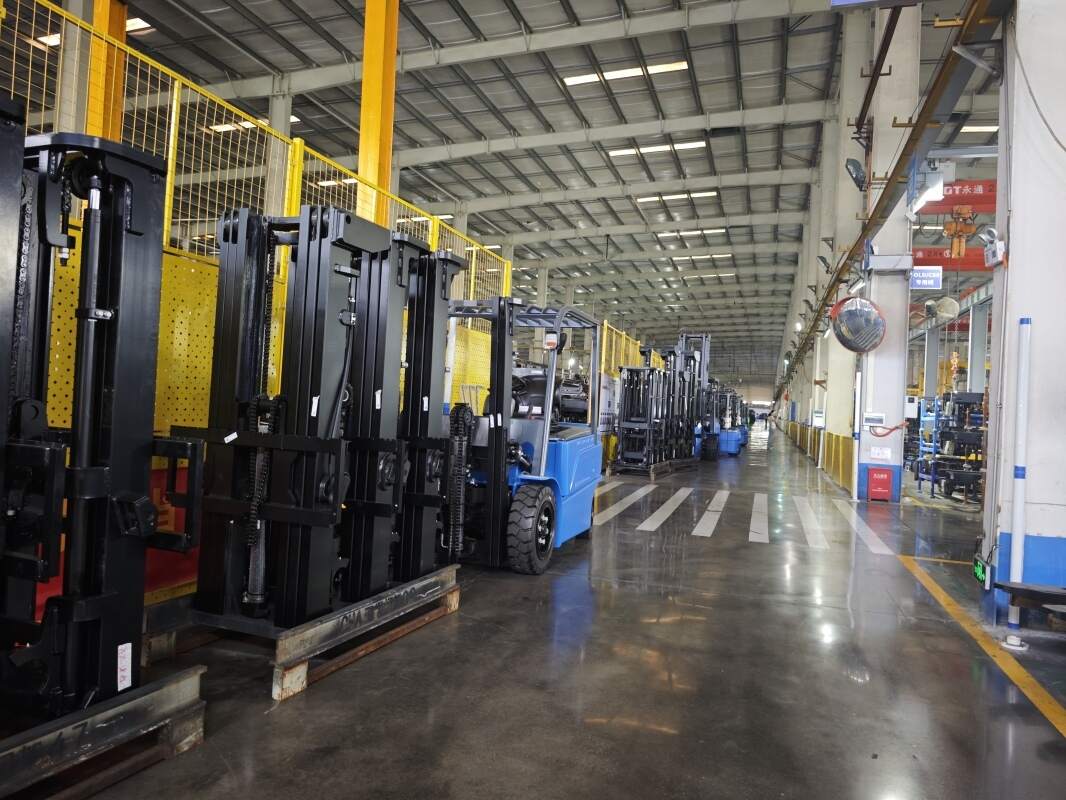
TCO de carretillas elevadoras eléctricas: inversión inicial vs ahorro en España(Figura2)

Paso 2: Calcula la inversión inicial

La inversión inicial de una carretilla eléctrica suele ser superior a la de una de combustión. Sin embargo, incluye elementos como:

  • Precio de la carretilla (por ejemplo, BYD con batería de litio integrada).
  • Cargador de batería (si no es de serie).
  • Adaptación de la nave para la zona de carga.
  • Formación de operarios.

Para una carretilla eléctrica de 2 toneladas, el precio puede oscilar entre 20.000 y 35.000 euros, mientras que una diésel equivalente ronda los 18.000-25.000 euros. La diferencia inicial puede ser de 5.000 a 10.000 euros.

Advertencia: No olvides los costes de instalación eléctrica si tu nave no está preparada.
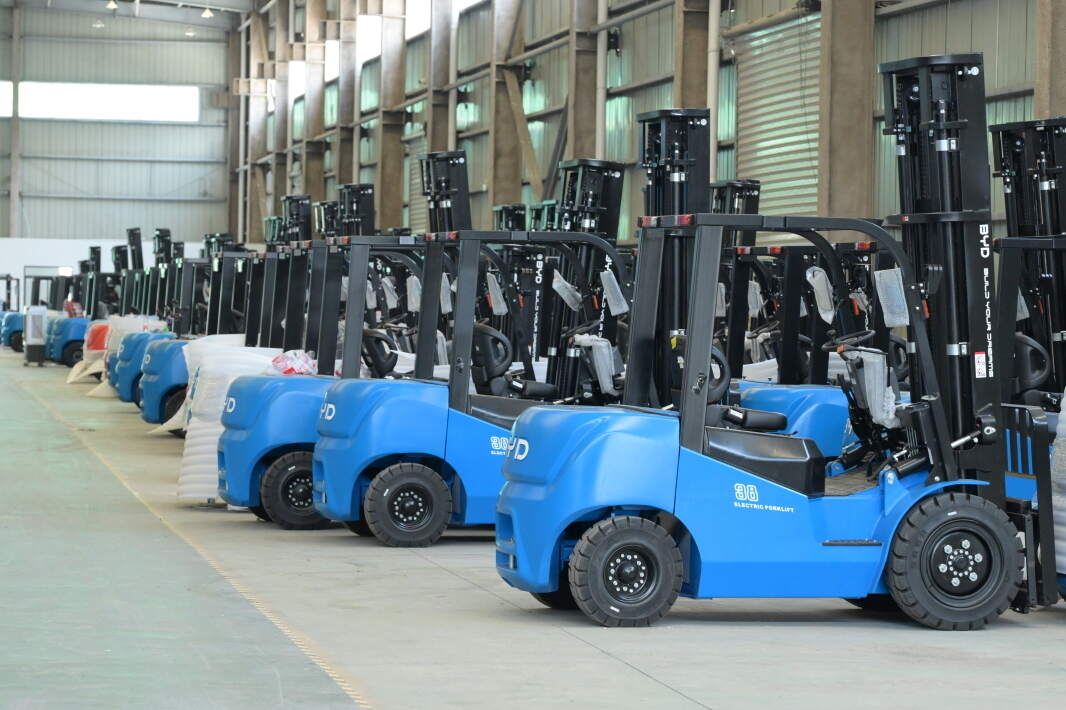
TCO de carretillas elevadoras eléctricas: inversión inicial vs ahorro en España(Figura3)

Paso 3: Estima los costes energéticos

Los costes energéticos son donde las carretillas eléctricas destacan. Una carretilla eléctrica consume electricidad, cuyo precio por kWh en España es mucho menor que el del diésel o GLP por hora de trabajo.

Ejemplo orientativo:

  • Carretilla eléctrica: consumo de 1,5 kWh/hora. Precio de la luz: 0,15 €/kWh. Coste: 0,225 €/hora.
  • Carretilla diésel: consumo de 2,5 litros/hora. Precio del diésel: 1,50 €/litro. Coste: 3,75 €/hora.

El ahorro es de más de 3,5 € por hora de trabajo. Si la carretilla opera 2.000 horas al año, el ahorro anual supera los 7.000 euros.

Consejo: Con las baterías de litio de BYD, la eficiencia de carga es mayor y no necesitas cambiar baterías, lo que reduce aún más el coste energético.

Paso 4: Analiza el mantenimiento y la vida útil

Las carretillas eléctricas tienen menos partes móviles (sin motor de combustión, sin filtros de aceite, sin bujías). El mantenimiento es más sencillo y económico. Las baterías de litio de BYD requieren mantenimiento mínimo y tienen una vida útil superior a las de plomo-ácido.

Costes típicos de mantenimiento anual:

  • Eléctrica: 500-800 €/año.
  • Diésel: 1.200-2.000 €/año.

Advertencia: Las baterías de plomo-ácido necesitan agua destilada y ventilación; las de litio no, pero su sustitución es costosa si no se cuida la carga.

Paso 5: Considera incentivos y subvenciones en España

En España existen ayudas para la adquisición de vehículos eléctricos industriales, como el Plan MOVES III, que pueden subvencionar hasta el 30-40% de la inversión. Además, las empresas pueden deducir la inversión en I+D+i o aplicar amortizaciones aceleradas.

Consejo: Consulta con un asesor fiscal las deducciones autonómicas, ya que varían por comunidad.

Paso 6: Evalúa el valor residual y la reventa

Las carretillas eléctricas con baterías de litio tienden a mantener mejor su valor residual que las de plomo o combustión, porque la batería no se degrada tan rápido y el resto de componentes sufren menos desgaste. A los 5 años, una eléctrica puede conservar un 40% de su valor, frente a un 25-30% de una diésel.

Paso 7: Compara el TCO total a lo largo de la vida útil

Supongamos una carretilla de 2 toneladas, 2.000 horas anuales, durante 5 años. La siguiente tabla muestra el TCO estimado:

ConceptoEléctrica (BYD)Diésel
Inversión inicial30.000 €22.000 €
Coste energético (5 años)2.250 €37.500 €
Mantenimiento (5 años)3.000 €8.000 €
Subvenciones (estimadas)-9.000 €0 €
Valor residual (5 años)-12.000 €-6.600 €
TCO total14.250 €60.900 €

El ahorro con la carretilla eléctrica es de más de 46.000 euros en 5 años. Incluso sin subvenciones, el ahorro supera los 37.000 euros.

Paso 8: Toma una decisión informada

Con los datos anteriores, es evidente que, aunque la inversión inicial sea mayor, el TCO de una carretilla eléctrica es mucho menor a medio plazo. Para maximizar el ahorro, elige modelos con batería de litio como los de BYD, que ofrecen carga rápida, mayor autonomía y menos mantenimiento.

Consejo final: Realiza una prueba piloto con una carretilla eléctrica BYD en tu operación diaria para medir el consumo real y validar los ahorros.

Advertencia: No te dejes llevar solo por el precio de compra; un análisis de TCO completo te evitará sorpresas y te hará más competitivo.

We use cookie to improve your online experience. By continuing to browse this website, you agree to our use of cookie.

Cookies

Please read our Terms and Conditions and this Policy before accessing or using our Services. If you cannot agree with this Policy or the Terms and Conditions, please do not access or use our Services. If you are located in a jurisdiction outside the European Economic Area, by using our Services, you accept the Terms and Conditions and accept our privacy practices described in this Policy.
We may modify this Policy at any time, without prior notice, and changes may apply to any Personal Information we already hold about you, as well as any new Personal Information collected after the Policy is modified. If we make changes, we will notify you by revising the date at the top of this Policy. We will provide you with advanced notice if we make any material changes to how we collect, use or disclose your Personal Information that impact your rights under this Policy. If you are located in a jurisdiction other than the European Economic Area, the United Kingdom or Switzerland (collectively “European Countries”), your continued access or use of our Services after receiving the notice of changes, constitutes your acknowledgement that you accept the updated Policy. In addition, we may provide you with real time disclosures or additional information about the Personal Information handling practices of specific parts of our Services. Such notices may supplement this Policy or provide you with additional choices about how we process your Personal Information.


Cookies

Cookies are small text files stored on your device when you access most Websites on the internet or open certain emails. Among other things, Cookies allow a Website to recognize your device and remember if you've been to the Website before. Examples of information collected by Cookies include your browser type and the address of the Website from which you arrived at our Website as well as IP address and clickstream behavior (that is the pages you view and the links you click).We use the term cookie to refer to Cookies and technologies that perform a similar function to Cookies (e.g., tags, pixels, web beacons, etc.). Cookies can be read by the originating Website on each subsequent visit and by any other Website that recognizes the cookie. The Website uses Cookies in order to make the Website easier to use, to support a better user experience, including the provision of information and functionality to you, as well as to provide us with information about how the Website is used so that we can make sure it is as up to date, relevant, and error free as we can. Cookies on the Website We use Cookies to personalize your experience when you visit the Site, uniquely identify your computer for security purposes, and enable us and our third-party service providers to serve ads on our behalf across the internet.

We classify Cookies in the following categories:
 ●  Strictly Necessary Cookies
 ●  Performance Cookies
 ●  Functional Cookies
 ●  Targeting Cookies


Cookie List
A cookie is a small piece of data (text file) that a website – when visited by a user – asks your browser to store on your device in order to remember information about you, such as your language preference or login information. Those cookies are set by us and called first-party cookies. We also use third-party cookies – which are cookies from a domain different than the domain of the website you are visiting – for our advertising and marketing efforts. More specifically, we use cookies and other tracking technologies for the following purposes:

Strictly Necessary Cookies
These cookies are necessary for the website to function and cannot be switched off in our systems. They are usually only set in response to actions made by you which amount to a request for services, such as setting your privacy preferences, logging in or filling in forms. You can set your browser to block or alert you about these cookies, but some parts of the site will not then work. These cookies do not store any personally identifiable information.

Functional Cookies
These cookies enable the website to provide enhanced functionality and personalisation. They may be set by us or by third party providers whose services we have added to our pages. If you do not allow these cookies then some or all of these services may not function properly.

Performance Cookies
These cookies allow us to count visits and traffic sources so we can measure and improve the performance of our site. They help us to know which pages are the most and least popular and see how visitors move around the site. All information these cookies collect is aggregated and therefore anonymous. If you do not allow these cookies we will not know when you have visited our site, and will not be able to monitor its performance.

Targeting Cookies
These cookies may be set through our site by our advertising partners. They may be used by those companies to build a profile of your interests and show you relevant adverts on other sites. They do not store directly personal information, but are based on uniquely identifying your browser and internet device. If you do not allow these cookies, you will experience less targeted advertising.

How To Turn Off Cookies
You can choose to restrict or block Cookies through your browser settings at any time. Please note that certain Cookies may be set as soon as you visit the Website, but you can remove them using your browser settings. However, please be aware that restricting or blocking Cookies set on the Website may impact the functionality or performance of the Website or prevent you from using certain services provided through the Website. It will also affect our ability to update the Website to cater for user preferences and improve performance. Cookies within Mobile Applications

We only use Strictly Necessary Cookies on our mobile applications. These Cookies are critical to the functionality of our applications, so if you block or delete these Cookies you may not be able to use the application. These Cookies are not shared with any other application on your mobile device. We never use the Cookies from the mobile application to store personal information about you.

If you have questions or concerns regarding any information in this Privacy Policy, please contact us by email at . You can also contact us via our customer service at our Site.